
No Win No Fee Medical Negligence & Personal Injury Solicitors Swindon, Wiltshire
90% Success Rate
We also have an interviewing office in Cheltenham. Free Zoom appointments with Seamus Edney to all new potential clients.
MEDICAL NEGLIGENCE AND PERSONAL INJURY SOLICITORS IN SWINDON
S. J. Edney Solicitors In Swindon, specialise exclusively in Medical Negligence and Personal Injury compensation claims. If you have been involved in an accident, or have been the victim of medical negligence and have suffered physical and/or psychological harm, you may have the legal right to obtain compensation for your injuries, loss of wages and other financial losses, even if the accident was partly your own fault.
INDUSTRY LEADING SUCCESS RATES
We are no win no fee Solicitors, with a high success rate and have gained millions of pounds in compensation for our clients during the last 28 years. We have a great reputation as a highly respected Clinical Negligence and Personal Injury Solicitors in Swindon and Wilthsire with an excellent reputation for client satisfaction. Please read our Testimonials and our Press & Media coverage.
Our Achievements & Credentials
Swindon Clinical Negligence and Personal Injury Solicitors
FRIENDLY, EXPERIENCED LOCAL SOLICITORS
We have over 30 years experience and know that our highly experienced, yet friendly approach will put you at ease. Seamus is approachable, personable and achieves excellent results for clients.
We have been awarded Certificates of Excellence by ThreeBestRated for being one of the Top 3 clinical negligence solicitors and personal injury solicitors in Swindon.
Speak to our No Win No Fee Solicitors Now!
If you need a dental or medical negligence solicitor or a specialist in accident claims or elderly care claims, why not contact S. J. Edney free, to discuss your accident and discover if you have a claim for compensation? You have nothing to lose! Contact details for our solicitors are below so that you can speak directly to our solicitors about your claim.

Solicitor: Seamus Edney
Role: Solicitor
Book: Call now on 01793 698040
Email: Send Email to Seamus Edney
Zoom: Book Appointments
Seamus holds Senior Litigator status with the Association of Personal Injury Lawyers (APIL).
How Much Compensation Can I Claim?
Here are some of our most recent cases
A few comments from past clients
As a lawyer myself I think I am capable of identifying a good service and most importantly specialist expertise.
….made this process far easier through their attention to detail, constant communication, and thoughtful understanding of our situation. …..
Excellent communication and service since first contact until case was successfully closed.
Latest News

Pedestrian struck by motor vehicle whilst crossing the road
Brief background We have been acting for a client (now aged 67) who was involved in a road traffic accident in London in March 2020. Briefly, our client was walking home with her partner and attempted to cross the road which would take her home. Before crossing and entering the road, our client looked both ways. As she proceeded to cross the road she was hit by a vehicle which our client later discovered had been parked a short distance up the road and which had pulled out and had then been driv [...]

Negligent treatment at Great Western Hospital
Brief background We have been acting for the widow of a 45-year-old man who was unhappy with treatment which her late husband received at Great Western Hospital on 29/30 August 2016. Briefly, on the 29 August 2016 at about 9.00am, the deceased was admitted to hospital complaining of central chest pain. At about midday, he was seen by a Consultant in A&E who suspected he had acute coronary syndrome and referred him to the medics. At about 1.00pm, he was transferred to a medical ward but unfor [...]
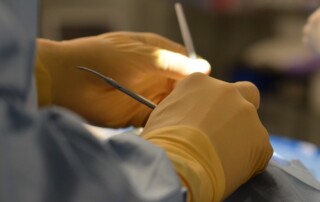
Cosmetic surgery negligence
Brief background We have been acting for a client (aged 58) in connection with a clinical negligence claim against Dr HK arising from private dermatological treatment received during 2016. Briefly, in October 2016 she attended a private Dermatherapy Clinic with a lump on the right side bridge of her nose near her eye. A basal cell carcinoma close to the eye was suspected. Our client underwent a punch biopsy at the Dermatherapy Clinic and the sample was sent for pathology. The diagnosis following [...]
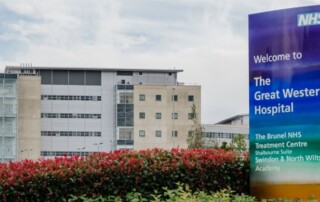
Claim against Great Western Hospital due to oxygen starvation at birth
We are acting for a client and her young son (aged 4) in connection with a claim for damages against Great Western Hospital in Swindon. Briefly, during the birth of her son in September 2018, there were a number of failings in the care provided to him which unfortunately resulted in a brain injury later diagnosed as Cerebral palsy. Specifically, a foetal and maternal infection were not fully recognised, investigated and promptly dealt with on admission in labour to include being given intravenou [...]